When the Real Estate (Regulation and Development) Act came into force in 2016, it fundamentally changed the rules of engagement for Indian property developers. RERA was not merely a compliance framework — it was a mandate for accountability. Developers across Mumbai, Bengaluru, Pune, Hyderabad, and Delhi-NCR quickly discovered that the era of vague promises and ambiguous floor plans was over. In its place came a new standard: precision, transparency, and verifiable commitments.
For forward-thinking developers, this shift has become an opportunity. Those who have embraced 3D visualization and digital twin technology are not just meeting RERA's requirements — they are exceeding them, building deeper buyer trust, and accelerating regulatory approvals in the process.
What RERA Demands From Developers
At its core, RERA imposes three non-negotiable obligations on every registered developer: accuracy in project representation, transparency in disclosures, and accountability for delivery commitments. Each of these demands has direct implications for how projects are documented, presented, and communicated.
Accuracy in Project Representation
RERA mandates that developers register projects with precise details — carpet area measurements, layout configurations, amenity specifications, and structural plans. Any deviation between what is registered and what is delivered can result in penalties, project de-registration, or legal action. The Maharashtra RERA authority alone has issued thousands of notices to developers for discrepancies between approved plans and actual construction.
Transparency in Disclosures
Buyers must be given access to all project-related documents — from sanctioned plans and structural drawings to financial statements and construction timelines. The intent is to eliminate information asymmetry, a problem that had long plagued Indian real estate. Developers are now required to upload quarterly progress reports and update project status on the RERA portal regularly.
Delivery Commitments and Timelines
Perhaps the most consequential aspect of RERA is its enforcement of delivery timelines. Developers must commit to a possession date at the time of registration and are liable for interest payments to buyers for every month of delay. This has made project planning and documentation a matter of financial risk management, not just administrative compliance.
Where Traditional Documentation Falls Short
For decades, Indian real estate projects were documented through 2D architectural drawings, AutoCAD floor plans, and printed brochures. While these tools served their purpose in a less regulated environment, they are fundamentally inadequate for the precision and transparency that RERA demands.
Consider a mid-sized residential project in Pune with 200 units across multiple towers. A 2D floor plan can show room dimensions and layout, but it cannot convey:
- The actual spatial experience of a unit — ceiling heights, natural light ingress, view corridors
- The precise relationship between amenity spaces and residential towers
- Material finishes, fixture specifications, and construction quality indicators
- Phased construction progress against the committed timeline
This ambiguity creates risk on both sides. Buyers who feel misled file complaints with RERA authorities. Developers who cannot clearly demonstrate compliance face prolonged disputes, financial penalties, and reputational damage. In Bengaluru and Hyderabad, where the IT-driven buyer demographic is particularly discerning, the gap between 2D documentation and buyer expectations has been a persistent source of conflict.
⚠️2D floor plans and printed brochures leave room for interpretation — and interpretation is where disputes begin. Under RERA, ambiguity is not a grey area; it is a liability.
3D Visualization as a Compliance Tool
Three-dimensional visualization transforms project documentation from a static, interpretable record into a precise, verifiable visual asset. When a developer creates a detailed 3D model of a project — one that accurately reflects the sanctioned plans, material specifications, and spatial configurations — it becomes a compliance instrument in its own right.
A Verifiable Visual Record
A 3D model built from approved architectural drawings creates a direct, auditable link between what was sanctioned and what was promised to buyers. If a buyer in a Delhi-NCR project disputes the size of a balcony or the placement of a utility shaft, the 3D model provides an unambiguous reference point. This is not a marketing render — it is a compliance document.
Digital Twins for Construction Monitoring
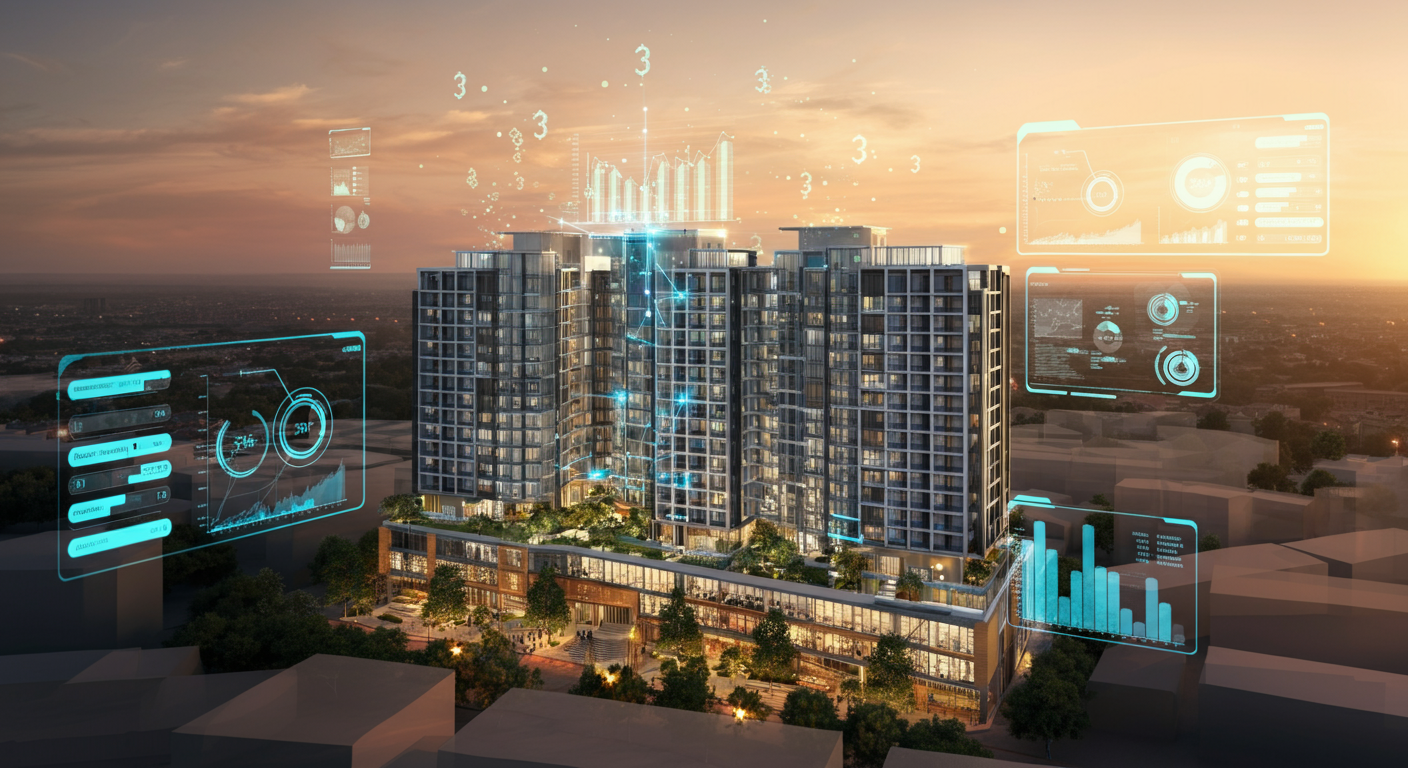
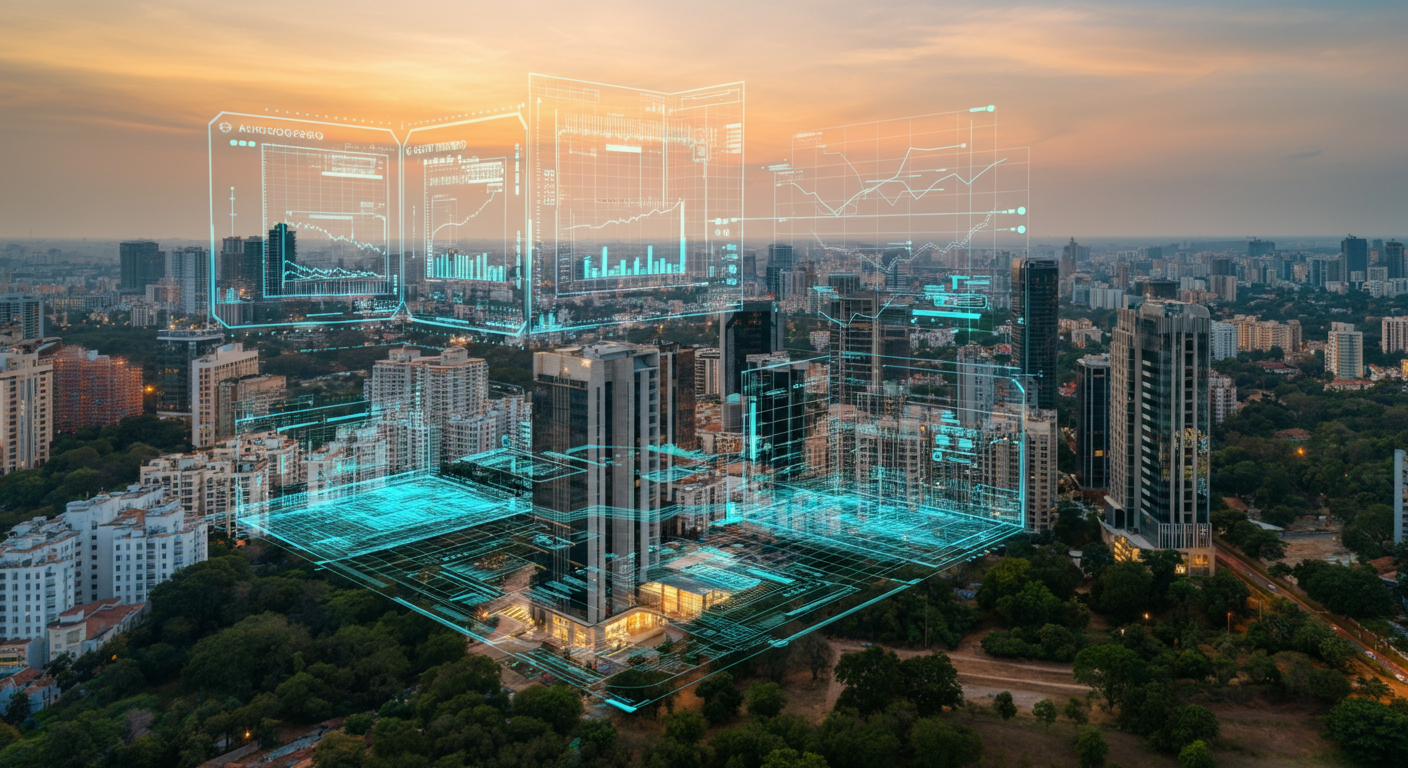
Digital twin technology takes 3D visualization a step further by creating a live, data-connected replica of the physical project. As construction progresses on a tower in Chennai or a mixed-use development in Navi Mumbai, the digital twin is updated to reflect actual site conditions. This creates a timestamped, verifiable record of construction progress — precisely the kind of documentation that RERA's quarterly reporting requirements demand.
Key compliance benefits of 3D visualization and digital twins include:
- Precise carpet area documentation that matches RERA registration data
- Visual proof of amenity specifications and common area configurations
- Timestamped construction progress records for quarterly RERA portal updates
- Deviation detection — identifying discrepancies between approved plans and actual construction before they become compliance violations
- A defensible evidentiary record in the event of buyer disputes or regulatory inquiries
Faster Approvals Through Visual Clarity
Regulatory approval delays are one of the most significant cost drivers in Indian real estate development. A project stalled at the municipal corporation or the RERA authority for weeks or months translates directly into carrying costs, delayed revenue, and compressed delivery timelines. Much of this delay stems from a simple problem: reviewers cannot quickly and clearly understand what is being proposed from 2D drawings alone.
Developers who submit 3D visualizations alongside their regulatory applications are reporting measurably faster review cycles. When a planning officer in Pune's PMRDA or a RERA adjudicator in Bengaluru can walk through a project virtually — understanding setbacks, floor-area ratios, and amenity placements at a glance — the back-and-forth of clarification requests is dramatically reduced.
💡Developers using 3D models in regulatory submissions report fewer clarification requests and faster approval cycles — a direct financial benefit that offsets the cost of visualization technology many times over.
This is particularly impactful for large, complex projects — integrated townships in the outskirts of Hyderabad, high-density mixed-use developments in Mumbai's eastern suburbs, or phased residential communities in Gurugram. The more complex the project, the greater the value of visual clarity in the approval process.
Protecting Buyers and Developers Alike
RERA was designed to protect buyers, but its most sophisticated provisions also protect developers who operate with integrity. A developer who can demonstrate — with visual precision — that what was delivered matches what was promised is in a fundamentally stronger legal and commercial position than one relying on ambiguous 2D documentation.
Reducing Buyer Disputes
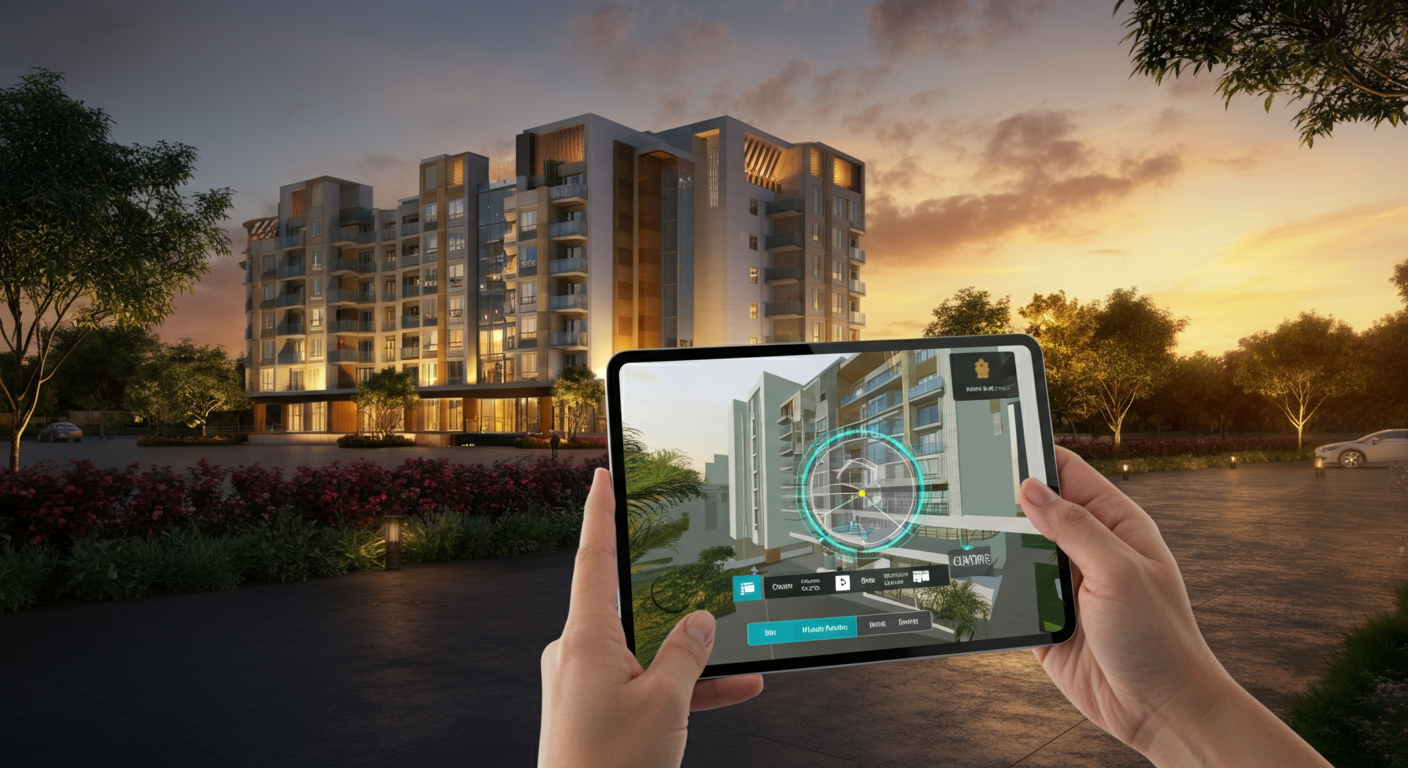
The majority of RERA complaints filed by buyers relate to one of three issues: unit size discrepancies, amenity non-delivery, or construction quality deviations. All three can be addressed proactively through 3D visualization. When buyers are shown — and can interact with — a precise 3D model of their unit and the project's common areas before signing the sale agreement, the scope for post-possession disputes narrows significantly.
Building Long-Term Brand Trust
In a market where buyer confidence has been eroded by years of project delays and unmet promises, developers who use 3D visualization as a transparency tool are building a distinct competitive advantage. In cities like Bengaluru and Pune, where repeat buyers and referral networks drive a significant share of sales, a reputation for delivering exactly what was shown carries measurable commercial value.
How SolidTwin Supports RERA-Ready Projects
SolidTwin is purpose-built for the Indian real estate context. Our platform enables developers to create high-fidelity 3D models and digital twins that are directly derived from approved architectural and structural drawings — ensuring that every visualization is a faithful, defensible representation of the sanctioned project.
Here is how SolidTwin helps developers build RERA-compliant projects from the ground up:
- Plan-accurate 3D models: Every model is built from sanctioned drawings, creating a direct compliance link between RERA registration data and buyer-facing visualizations
- Construction progress tracking: Digital twin updates reflect actual site progress, supporting RERA's quarterly reporting requirements with visual, timestamped evidence
- Deviation alerts: Automated comparison between the approved model and construction data flags discrepancies before they become compliance violations
- Buyer-facing transparency portals: Buyers can access a live view of their project's progress, reducing anxiety and pre-empting complaint filings
- Regulatory submission packages: Pre-formatted 3D documentation packages designed for submission to RERA authorities and municipal corporations across India
Developers working with SolidTwin across Maharashtra, Karnataka, Telangana, and the NCR region are using our platform not just as a visualization tool, but as a compliance infrastructure — one that reduces regulatory risk, accelerates approvals, and builds the kind of buyer trust that drives long-term business growth.
ℹ️RERA compliance is not a one-time registration exercise — it is an ongoing obligation that spans the entire project lifecycle. SolidTwin's digital twin platform is designed to support developers at every stage, from initial registration to final possession.
The Indian real estate market is at an inflection point. Buyers are more informed, regulators are more vigilant, and the cost of non-compliance has never been higher. Developers who treat RERA not as a burden but as a framework for building better, more transparent projects — and who equip themselves with the right technology to do so — are the ones who will define the next decade of Indian real estate.
3D visualization and digital twins are not optional enhancements. In the RERA era, they are essential infrastructure.